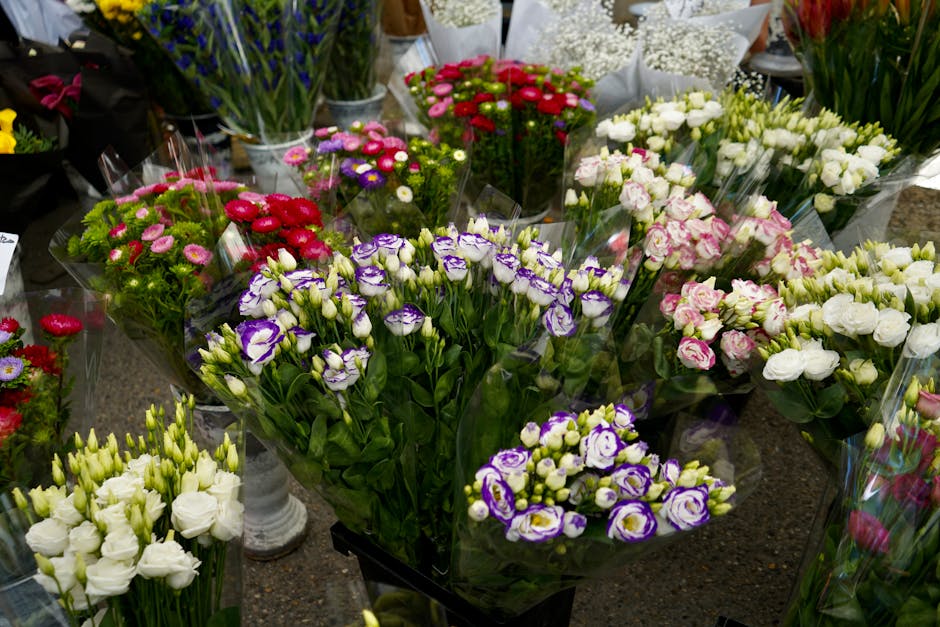
Floral waste disposal rules across Harrow borough
Posted on 20/10/2026
Floral waste disposal rules across Harrow borough: a practical guide for florists, event planners, and households
If you've ever cleared a tired bouquet after an event, a shop floor, or a busy weekend of deliveries, you'll know floral waste looks simple on the surface and then becomes oddly fiddly. Stems, leaves, wrapping, ribbon, compostable scraps, water, plastic sleeves, broken trays, and mixed general waste all end up in one small space if nobody is paying attention. That's where floral waste disposal rules across Harrow borough start to matter. In a borough like Harrow, the right approach is not just about keeping bins tidy; it is about separating materials sensibly, reducing contamination, and staying aligned with local waste expectations and wider UK best practice.
In this guide, we'll break down what floral waste actually includes, how disposal usually works in practice, what people often get wrong, and how to build a cleaner, more compliant routine without making the process complicated. If you run a florist shop, manage a venue, handle events, or simply want to dispose of cut flowers properly at home, this article will give you a grounded, no-nonsense path forward.
And yes, it can feel like a lot for a pile of petals. But once the system is set up, it becomes second nature.
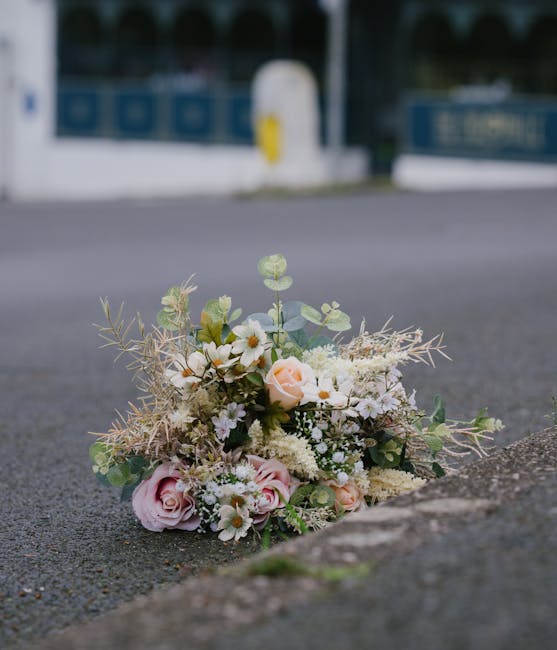
Table of Contents
- Why it matters
- How it works
- Key benefits and practical advantages
- Who this is for and when it makes sense
- Step-by-step guidance
- Expert tips for better results
- Common mistakes to avoid
- Tools, resources and recommendations
- Law, compliance, standards, or best practice
- Options, methods, or comparison table
- Case study or real-world example
- Practical checklist
- Conclusion
- Frequently asked questions
Why Floral waste disposal rules across Harrow borough Matters
Floral waste is more than "green stuff in a bin". In practice, it can include fresh stems, leaves, petals, soil, oasis foam, card, paper wraps, cellophane, ribbons, plastic pots, wire, tape, and sometimes food waste if it comes from event displays or memorial tributes. Once those materials are mixed together, disposal becomes harder, more expensive, and more likely to cause avoidable problems.
Across Harrow borough, the main reason this matters is simple: waste streams work best when they are kept separate. Clean organic material is often handled differently from contaminated or mixed waste, and the more precise your sorting, the easier it is to dispose of things properly. If you are a florist, that means less mess behind the counter and fewer awkward bin fills. If you are an event organiser, it means smoother clear-downs after weddings, funerals, corporate functions, or seasonal celebrations. If you are a household, it means you are less likely to throw away recyclable or compostable material in the wrong place by accident.
There is also a reputational side to this. Customers notice the small things. A shop with neat back-of-house waste handling looks organised. A venue that clears floral arrangements responsibly feels calm, not chaotic. Truth be told, waste handling is one of those invisible details that quietly says a lot about how a business operates.
Then there is the environmental angle. Fresh flowers are natural, but the packaging often is not. A bouquet might be mostly biodegradable until it is wrapped in plastic sleeves, foam, foam tape, and mixed ribbon. That means the disposal route should be chosen carefully rather than assumed. It sounds obvious, but people get this wrong all the time.
Expert takeaway: Treat floral waste as a mixed material problem, not a single-bin problem. The cleaner your separation, the simpler your disposal becomes.
How Floral waste disposal rules across Harrow borough Works
The basic idea is to sort floral waste by material type before you throw anything out. That sounds almost too straightforward, yet it is the part that most improves compliance and efficiency. In real life, floral waste usually falls into one of four broad groups.
1. Organic floral material
This includes stems, leaves, petals, spoiled blooms, grass, and other plant matter. If it is clean and not mixed with plastics or chemicals, it is usually the easiest part of the waste stream to manage. In a florist workspace, this might come from daily trimming. At home, it might be old vase flowers or funeral tributes that have passed their best.
2. Mixed packaging waste
Cellophane, plastic wrap, tape, florist foam, gift bags, ribbon, and adhesive-backed labels often turn a clean bouquet into mixed waste. Once packaging is attached to flowers, it usually stops being straightforward compost material. That does not mean every item must go in general waste automatically, but it does mean you need to make a judgement call.
3. Recyclable supporting materials
Some outer wraps, paper sleeves, cardboard boxes, and clean kraft paper may be recyclable if they are free from food residue, heavy tape, dampness, or flower water. The trouble is that once these materials are wet or contaminated, their options narrow quickly. A soggy cardboard box in the rain is not recycling-friendly. Not exactly a glamour job, this one.
4. Non-floral waste from operations
Broken buckets, delivery crates, twist ties, broken plant supports, broken ceramic containers, and worn-out display materials may need separate handling. The same goes for waste generated during cleaning or storage. In a busy shop or event setup, this category can quietly become the largest. You do not always notice it until the back room starts looking like a storage cupboard from another century.
In practical terms, the rules work like a flow chart: identify the material, separate where possible, keep organics clean, keep recyclables dry, and send contaminated items to the appropriate disposal route. For businesses, this may mean working with a commercial waste collector and ensuring waste is presented in the right way. For households, it often means using the correct household bins or home composting where suitable and allowed.
If you already buy flowers regularly or run a small local operation, it also helps to build waste awareness into your routine. For example, if your shop sources stock for events, you might already be using pages like flower delivery in West Harrow or browsing a range such as all flowers. That same attention to product handling should extend to waste handling once the blooms are spent.
Key Benefits and Practical Advantages
Good floral waste management does more than keep things tidy. It has several practical upsides that show up very quickly once you standardise the process.
- Less contamination: Cleaner separation means recyclable or organic waste is less likely to be ruined by plastic or wet packaging.
- Better back-of-house efficiency: Staff spend less time guessing where each item should go.
- Lower collection headaches: Clear waste streams are easier for collectors to manage, especially in busy commercial settings.
- Improved hygiene: Cut flowers and wet organic waste can smell, stain, and attract pests if left unmanaged.
- Stronger sustainability habits: A simple sorting system supports greener practice without requiring a major overhaul.
- More consistent compliance: If a business is inspected or audited internally, a clear method is easier to demonstrate.
One of the biggest advantages is actually psychological. Once your team knows what goes where, there is less friction. No second-guessing, no "I'll do it later", no mystery pile in the sink area. Those tiny delays are where waste systems unravel.
For florists, there is another benefit: waste handling can improve product presentation. A clean workspace usually means fresher-looking stock, better water hygiene, and fewer mishaps with damaged stems. People notice a fresh shop. They always do.
Who This Is For and When It Makes Sense
This topic is not just for large floristry operations. In Harrow borough, floral waste disposal becomes relevant any time flowers are handled in volume or on a repeat basis. That includes a surprisingly wide range of people.
Florists and flower retailers
If you sell bouquets, wedding arrangements, sympathy flowers, or seasonal lines, you will generate offcuts daily. Wilted stock, trimmings, packaging, and display waste all need a system. Shops that also offer services such as a local florist in West Harrow or curated items like birthday flowers usually deal with this continuously, not occasionally.
Event venues and planners
Wedding planners, function rooms, hotels, and corporate venues often face high-volume floral waste after a single event. One Saturday can produce more waste than a small shop sees in several days. If you manage weddings, collections like wedding flowers or wedding table arrangements may look beautiful on the day, but they still need a tidy disposal plan once the guests go home.
Funeral directors and families
Floral tributes, wreaths, sprays, and posies often require sensitive handling after a service. Families may want to keep certain cards, ribbons, or keepsakes while disposing of the rest respectfully. Products such as funeral flowers and tributes are often associated with this need.
Households
At home, the issue is smaller but still real. A bouquet from a celebration, a vase arrangement left too long, or seasonal flowers from a celebration can create wet organic waste and packaging. The right disposal method is usually simple once you separate the materials properly.
Community groups and local organisers
School events, faith gatherings, charity functions, and neighbourhood celebrations can create mixed floral waste too. If people are working from a temporary setup, they tend to use "one bag for everything" and hope for the best. That rarely ends well.
Step-by-Step Guidance
Here is a practical way to manage floral waste without turning it into a big administrative task.
- Separate fresh organic material first. Remove stems, leaves, petals, and unwrapped plant matter before touching packaging.
- Pull out reusable or keep-worthy items. Cards, keepsake ribbons, message tags, and decorative picks may be saved if they still matter to the customer or family.
- Sort packaging by type. Keep clean cardboard and paper apart from plastics and foam where possible.
- Check for contamination. Wet paper, heavily taped wraps, and plant material stuck to packaging can change how an item should be handled.
- Use a clearly labelled waste station. Even a small two- or three-bin setup reduces mistakes more than people expect.
- Empty bins before they become overloaded. Wet flowers compact quickly and start to smell. Nobody wants a back room that has started to go a bit swampy by Thursday afternoon.
- Choose the correct collection route. Use your business waste arrangements or local household disposal route as appropriate.
- Review the process regularly. What works in quiet periods may not work during Valentine's Day, Mother's Day, wedding season, or Christmas.
A good trick is to think in stages, not bins. First ask: is it organic, recyclable, reusable, or general waste? Then ask: is it clean, dry, and uncontaminated? If the answer is no, you already know the route is narrowing.
If you are running a florist shop, it can be helpful to pair waste routines with stock routines. For instance, as you arrange popular products from pages like best sellers or seasonal collections such as autumn, build in a habit of trimming, sorting, and clearing waste at the same time. Small rhythm, big payoff.
Expert Tips for Better Results
There are a few details that make a big difference in day-to-day floral waste management. None of them are difficult, but together they save time and reduce mess.
Keep organics dry where possible
Fresh flowers are naturally wet, but standing water, leaky buckets, and soggy paper make disposal harder. Drain arrangements before binning them where practical.
Use a "decision bin" only if you must
Sometimes a small interim container is useful for mixed items that need a closer look. The key is not to let it become a permanent mystery bin. If it lives there for days, the system is broken.
Train for busy days, not just calm ones
The process that works on a Tuesday morning can collapse on Saturday lunch hour. That's when clear labels and simple rules matter most.
Be careful with floral foam
Foam is common in some arrangements and often causes confusion. Treat it cautiously, because it does not behave like plant material and should not be assumed compostable.
Think about customer-facing waste too
If your business offers add-ons, gift wrap, or cards, make sure customers are not left with unnecessary packaging. A cleaner handover creates less waste later. Pages such as flower care guidance may also help reduce waste by keeping arrangements fresher for longer.
One quiet but powerful habit: tidy while you work, not after. It sounds obvious, but it changes everything. A quick sweep of stems into the right container every hour is far easier than wrestling with a compostable mountain at closing time.
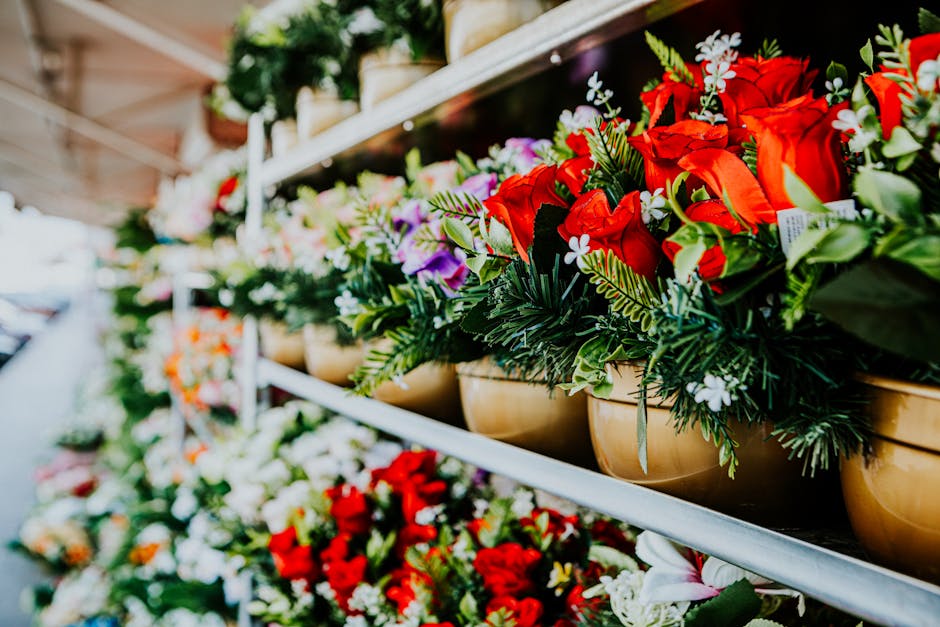
Common Mistakes to Avoid
Most mistakes with floral waste are not dramatic. They are small, repeated, and very human. That is exactly why they cause so much trouble.
- Throwing everything into one bag: Mixed waste becomes harder to sort and often ends up as general waste by default.
- Leaving packaging attached to flowers: Plastic sleeves, tape, and ribbon can prevent clean disposal of otherwise organic waste.
- Ignoring wet waste: Moist flowers left too long create smell, staining, and hygiene problems.
- Assuming all paper is recyclable: Wet or heavily contaminated paper is a different story.
- Forgetting the rush period: Busy calendar dates are when systems break down, usually all at once.
- Skipping labels: If bins are not clearly identified, staff will make assumptions. And assumptions, as you'll know, are a bit expensive.
Another mistake is overcomplicating things. A floral waste system does not need a spreadsheet for every stem. It needs clear categories, obvious containers, and a routine people can actually follow. Keep it simple enough that someone new can pick it up in five minutes.
Tools, Resources and Recommendations
You do not need fancy equipment to improve floral waste handling. In fact, the best tools are often the unglamorous ones.
- Clearly labelled bins: Separate organics, recyclables, and general waste.
- Waterproof liners where needed: Useful in areas where wet stems and buckets are handled.
- Scissors, secateurs, and trimmers: Clean cutting tools reduce damaged stems and messy offcuts.
- Storage trays or tubs: Useful for temporary sorting before disposal.
- Simple signage: A small sign above each bin is often enough.
- Cleaning supplies: A mop, cloths, and surface-safe disinfectant help keep waste areas hygienic.
If you manage a busy site, it can help to keep a one-page waste routine near the sink or packing table. Nothing formal, just a short guide that says what goes where. Staff are more likely to follow a good system when it is visible.
For businesses that also deal in customer orders and seasonal collections, having consistent operations around products like luxury flowers or budget-friendly flowers can help standardise packaging choices too. That makes disposal more predictable later on.
Law, Compliance, Standards, or Best Practice
It is sensible to approach floral waste disposal in Harrow borough with both local practicality and general UK waste principles in mind. The key point is that businesses have a higher duty to manage waste correctly than households do, especially where commercial waste, mixed materials, and frequent collections are involved.
In plain English, that means:
- do not rely on guesswork when separating waste;
- keep waste in suitable containers;
- prevent litter, spillages, and nuisance;
- avoid mixing clean recyclable or organic material with contaminated waste if it can reasonably be prevented;
- use an appropriate licensed or authorised waste route for business waste where required;
- keep records or proof of arrangements if your operation needs them.
Best practice also means keeping an eye on what a material actually is, not what it looks like at a glance. A paper wrap may look recyclable until it is wet with flower water and covered in adhesive tape. A bunch of stems may look compostable until they are tied to foam and cellophane. This is where a steady, case-by-case judgment works better than blanket assumptions.
If you are unsure, the safest approach is to separate materials as far as possible and treat the contaminated component according to the stricter waste route. That may not always be the most elegant answer, but it is usually the most defensible one.
For funeral and memorial work, sensitivity matters too. Some customers want to keep card messages or symbolic ribbon. A respectful disposal process should allow for that without slowing the whole operation down. The best systems are tidy and humane. Both.
Options, Methods, or Comparison Table
Different disposal methods suit different settings. Here is a practical comparison of the main options people in Harrow borough tend to use for floral waste.
| Method | Best for | Strengths | Limitations |
|---|---|---|---|
| General waste | Mixed, contaminated, or non-separable items | Simple, widely available | Least sustainable; should not be the default for clean material |
| Organic waste / composting | Clean flowers, stems, leaves, and other plant matter | Environmentally better; reduces landfill burden | Not suitable for packaging, foam, or contaminated waste |
| Recycling | Clean cardboard, paper, and some packaging | Supports waste reduction and reuse | Contamination easily ruins the load |
| Reuse or donation | Fresh arrangements, reusable containers, decorative elements | Extends product life; reduces waste | Only works when items are still in suitable condition |
| Specialist commercial collection | Higher volumes, event waste, business premises | More structured and reliable | Requires planning and correct presentation |
In many real situations, the best answer is not one method but a mix of them. A wedding venue might reuse vases, recycle clean boxes, compost clean greenery, and dispose of mixed packaging separately. That layered approach is usually where the real efficiency sits.
Case Study or Real-World Example
Imagine a small florist in West Harrow after a busy Saturday. The shop has had two funeral orders, one birthday bouquet run, and a last-minute wedding collection. By closing time, the counter has a pile of stems, a stack of cardboard sleeves, some ribbon offcuts, damp tissue paper, and a few damaged buckets.
At first, everything is thrown into one open box in the back room. By Monday morning, it smells earthy, slightly sour, and not in a charming countryside way. Staff spend ten minutes untangling what can be recycled from what cannot. A few usable paper wraps have to be binned because they were left wet. The cleaner is annoyed. The florist is annoyed. Nobody is having a lovely time.
Now compare that with a shop using three clearly labelled tubs: one for clean organic waste, one for recyclable packaging, one for mixed or contaminated waste. Stems go straight into the organic tub. Dry cardboard goes to recycling. Ribbon, tape, and foam go into the mixed waste container. The tidy-up takes less time, the back room stays cleaner, and the Monday shift starts calmly instead of with a small crisis.
That is the real difference. Not theory. Routine.
It is also worth noting that the same shop may already be using local customer-facing pages like send flowers in West Harrow and service information such as delivery details. A well-run business usually keeps that same care across the whole customer journey, from order to disposal.
Practical Checklist
Use this quick checklist to keep floral waste disposal on track in Harrow borough.
- Separate fresh organic material from packaging before binning anything.
- Keep cardboard, paper, plastic, and foam in different streams where possible.
- Drain excess water from flowers and buckets before disposal.
- Label bins clearly and keep them easy to reach.
- Empty waste regularly, especially in warm weather or busy periods.
- Protect clean recyclable materials from contamination.
- Save reusable ribbons, cards, tags, and containers when appropriate.
- Train staff or family members on the basic sorting rules.
- Review the system before peak dates such as weddings, holidays, and Mother's Day.
- Use the right collection route for your setting, especially if you are operating commercially.
If you can tick most of those items, you are already ahead of the game. Not perfect, maybe, but properly set up. That counts for a lot.
Conclusion
Floral waste disposal rules across Harrow borough are not really about bureaucracy. They are about keeping waste sensible, manageable, and respectful of both the materials and the people handling them. Once you separate the organic, the recyclable, and the mixed waste, most of the confusion disappears. What remains is just a routine, and a pretty practical one at that.
For florists, venues, planners, and households, the main goal is the same: avoid contamination, reduce mess, and choose the right route for each material. That approach saves time, improves hygiene, and makes sustainability feel achievable rather than performative. And if you work with flowers every day, you already know this in your bones. Flowers are delicate, but the systems around them do not have to be.
Get a free quote today and see how much you can save.
Done well, floral waste handling becomes one of those calm, invisible habits that quietly improves everything around it.
Frequently Asked Questions
What counts as floral waste in Harrow borough?
Floral waste usually includes cut flowers, stems, leaves, petals, spoiled arrangements, wrapping, ribbon, tape, card, foam, and any other materials left over from floral displays or deliveries. The key is to separate natural plant material from packaging wherever possible.
Can I put dead flowers in the green waste bin?
If the flowers are clean and free from packaging, they are often suitable for organic disposal or garden waste routes where available. If they are mixed with plastic, ribbon, foam, or other contamination, you may need to use a different waste stream.
Are flower wraps recyclable?
Sometimes, yes. Clean paper or cardboard wraps may be recyclable if they are not wet or heavily contaminated. Plastic sleeves, tape, and mixed-material wraps are more complicated and may not be accepted in recycling.
What should florists do with floral foam?
Floral foam should be treated carefully and not assumed to be compostable or recyclable. In most cases, it belongs in a mixed waste route unless you have a clearly accepted specialist solution in place.
Do I need a commercial waste collector for a florist shop?
If you run a business, you usually need an appropriate commercial waste arrangement rather than relying on household disposal. The exact setup depends on your operation, volume, and waste types, so it is worth keeping it formal rather than improvised.
How do wedding venues handle floral waste after an event?
Most venues separate reusable decorations, clean organic waste, recyclable packaging, and mixed waste during teardown. A clear plan before the event starts saves a lot of time after guests leave.
Is it better to compost flowers or throw them away?
Composting is often better for clean plant material because it keeps organic waste out of general waste streams. But composting only works properly when the flowers are free from packaging, foam, and other contaminants.
What is the biggest mistake people make with floral waste?
The biggest mistake is mixing everything together. Once flowers, plastic, ribbon, cardboard, and foam are all in one bag, it becomes much harder to recover any useful material or dispose of it cleanly.
Can old bouquets from home go in household waste?
Yes, they can if there is no better local route and the bouquet is mixed with materials that cannot easily be separated. That said, it is always worth removing any reusable or recyclable parts first.
How can I reduce floral waste in a small shop?
Order more accurately, store stock properly, use flowers at the right freshness stage, and train staff to sort waste as they work. Even small changes, like trimming earlier and keeping waste bins visible, can make a noticeable difference.
Does Harrow borough have special rules just for flowers?
There usually are not flower-only rules in the everyday sense. Instead, floral waste is handled under broader waste management expectations, which means sorting materials correctly and using the right disposal route for each type of waste.
What should I do if I am unsure whether something is recyclable?
If you are unsure, keep it out of recycling until you can check the material properly. A contaminated recycling bin is worse than a slightly fuller general waste bin, so caution is usually the safer choice.